


“We saved so much time and energy by bringing all our data together in the Position Green platform.”
Jessica Julin, Sustainability Manager at Espresso House Group
Simplified ESRS
The path to simpler reporting is already open. Transition to the simplified ESRS framework over the next two years to establish ownership, reduce compliance risk, and lower your annual assurance costs.
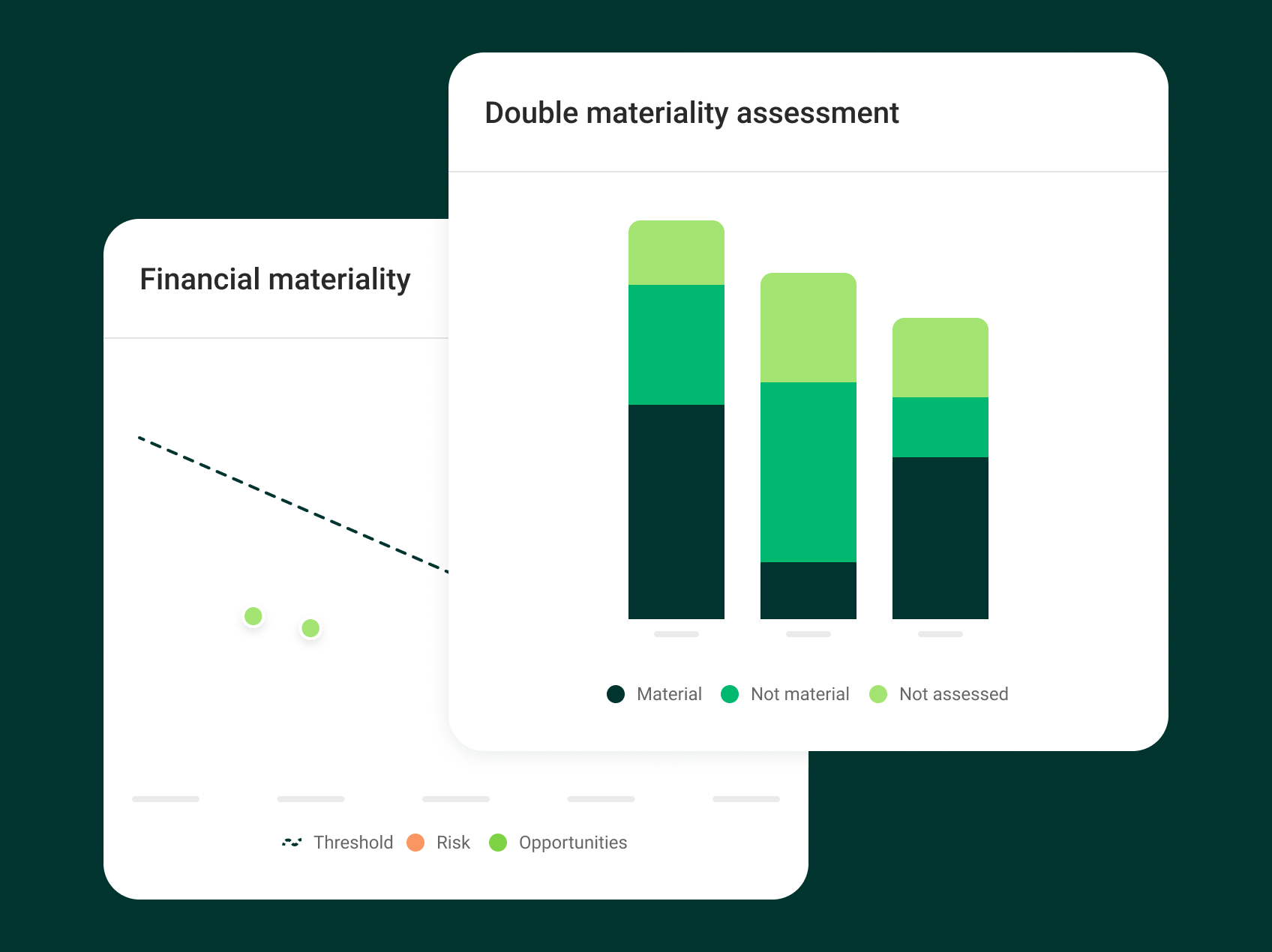



















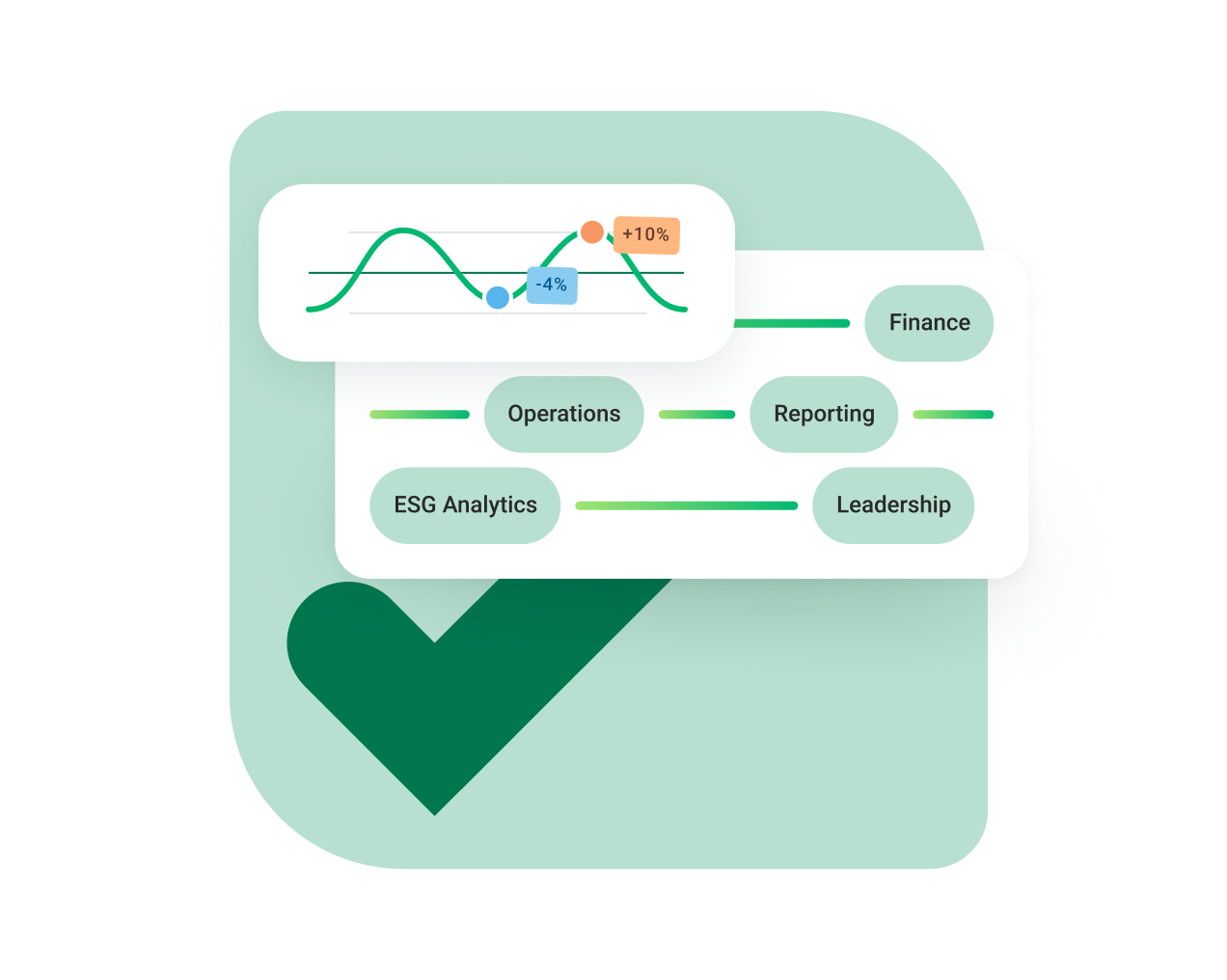
By adopting the simplified ESRS framework today, you future-proof your sustainability strategy and align your team with the latest regulatory standards. This proactive shift allows you to move away from the high-density requirements of the original “Set 1” and focus on a more concise, “decision-useful” approach that reduces administrative overhead while maintaining full compliance.
Choosing to report under the simplified standards in FY 2026 does not “start the clock” on your existing phase-in periods or deferrals. This allows your team to refine your data flows and master the new, streamlined requirements while retaining all your current reliefs for complex disclosures like Scope 3 emissions or Biodiversity.
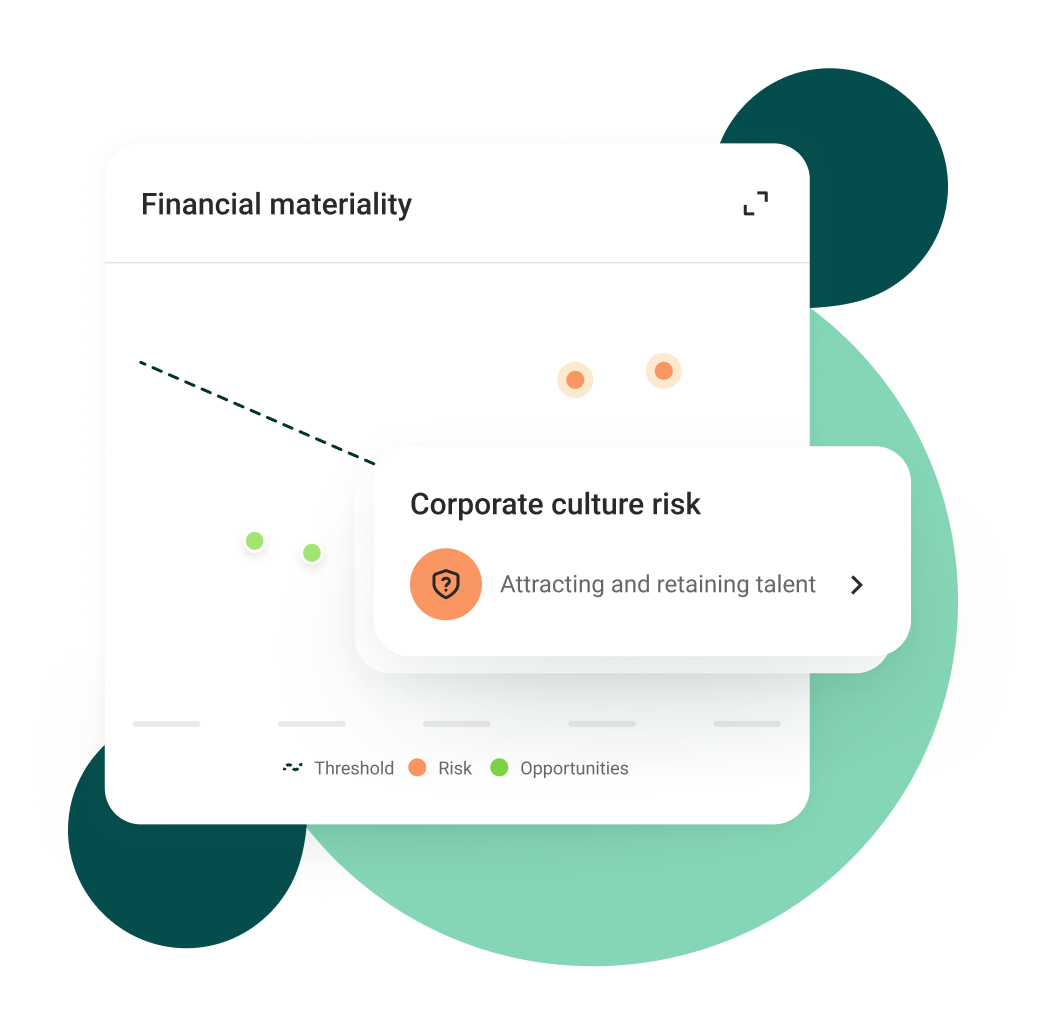
Our dedicated advisory and customer service teams are here to help you bridge the gap between your current disclosures and the simplified standards with minimal friction. By spreading the transition effort over a two-year horizon, you can build a robust, audit-ready reporting engine at a manageable pace, leading to more predictable workflows and a permanent reduction in your overall reporting spend.
“We saved so much time and energy by bringing all our data together in the Position Green platform.”
Jessica Julin, Sustainability Manager at Espresso House Group
Faster ESRS reporting YoY
reduction in manual admin
Spreadsheet dependencies
Transparent audit trail
Establish processes early
Strengthen your data quality
Spread cost and effort over 2 years
Yes. The European Commission is expected to formally adopt the amended ESRS Delegated Act by mid-2026. While the new standards are set to be mandatory for the 2027 financial year (reporting in 2028), the regulation includes an early adoption option. This allows Wave 1 companies to voluntarily apply the simplified framework for their 2026 reports, providing an immediate path to reduce the data collection burden.
Early adoption is designed to be risk-free. Choosing to report under the simplified standards for FY 2026 does not “start the clock” on your existing phase-in reliefs. You can transition to the leaner framework while still maintaining your current deferrals for complex disclosures—such as Scope 3 emissions, Biodiversity (ESRS E4), and certain social metrics—ensuring you don’t lose the transitional benefits you’ve already earned.
The simplified ESRS introduces a “value chain cap” to protect smaller business partners. Under these new 2026 rules, companies are no longer required to pursue granular, direct data from suppliers with fewer than 1,000 employees if it exceeds the Voluntary SME (VSME) scope. Early adopting allows you to immediately pivot to using estimates and sector-average proxies, significantly lowering the cost and effort of your value chain mapping.
Yes, significantly. The simplified ESRS framework reduces mandatory “shall” data points by approximately 61% (decreasing from roughly 1,100 to 430). It also completely removes all voluntary “may” disclosures. By early adopting, your Wave 1 team can immediately strip these redundant requirements from your internal workflows, focusing resources exclusively on material, decision-useful information.
Early adoption allows you to refine your reporting engine in a more streamlined environment. Because the simplified ESRS narrows the scope of qualitative disclosures and clarifies reporting boundaries, the assurance process becomes faster and less complex. By establishing audit-ready, simplified data flows now, you can secure more predictable and lower assurance fees for your 2026 and 2027 filings.