
“The collected answers provided a basis for analysis of whether good practice has been established to comply with the Norwegian Transparency Act and other provisions.”
Lars Erik Berg, Director of Compliance and HR Services, Hansa Borg & Solera
Norwegian Transparency Act compliance
Position Green’s Supplier Management gives companies operating in Norway a structured, scalable process for human rights due diligence (aktsomhetsvurdering) under åpenhetsloven: from supplier assessments all the way to your annual due diligence account (redegjørelse), documented and audit-ready.


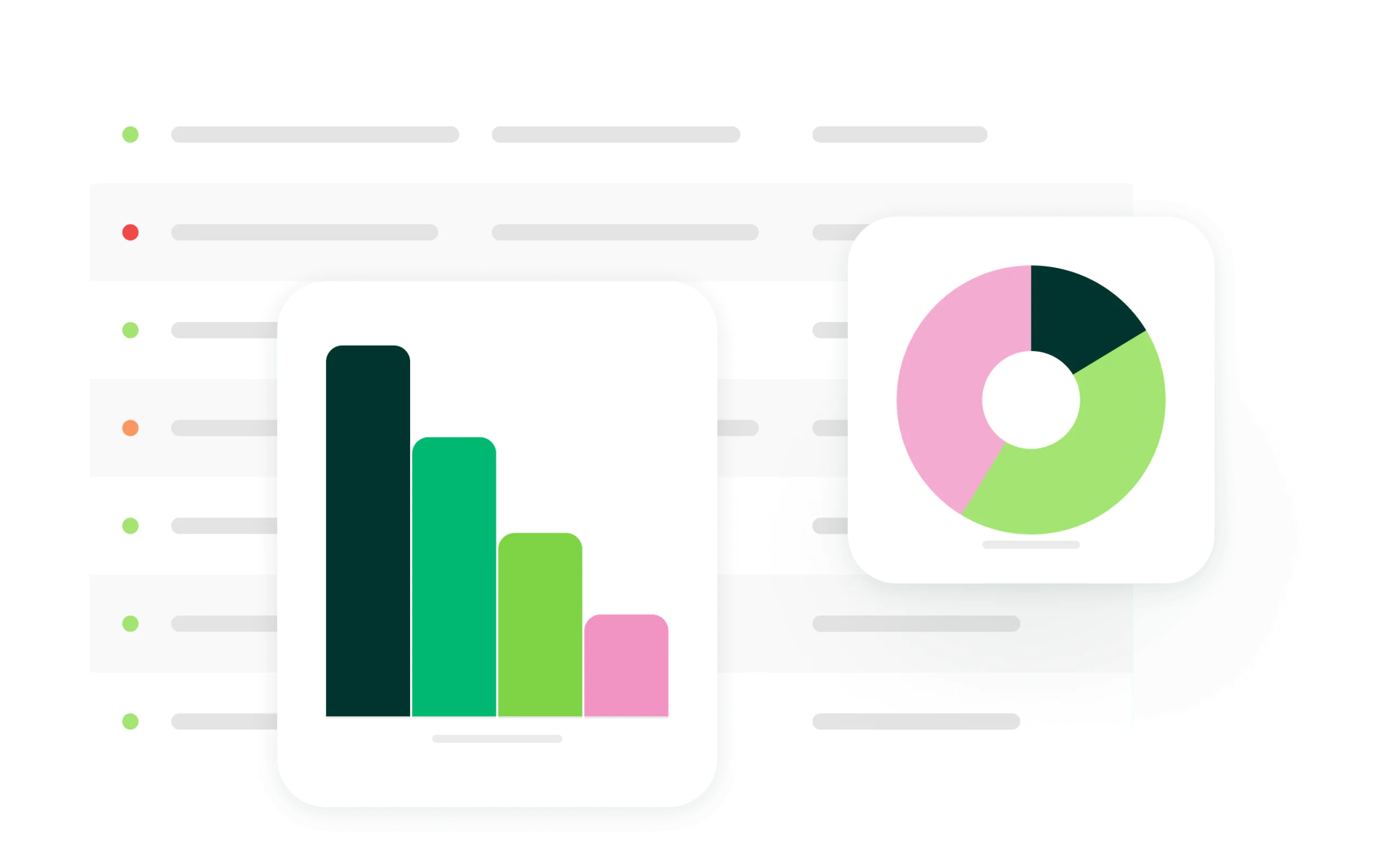
Whether you need automation or direct supplier engagement, Position Green helps you quickly collect the data you need from across your supply chain. As a result, you get a complete, current picture of your supplier base combining internal and external data.
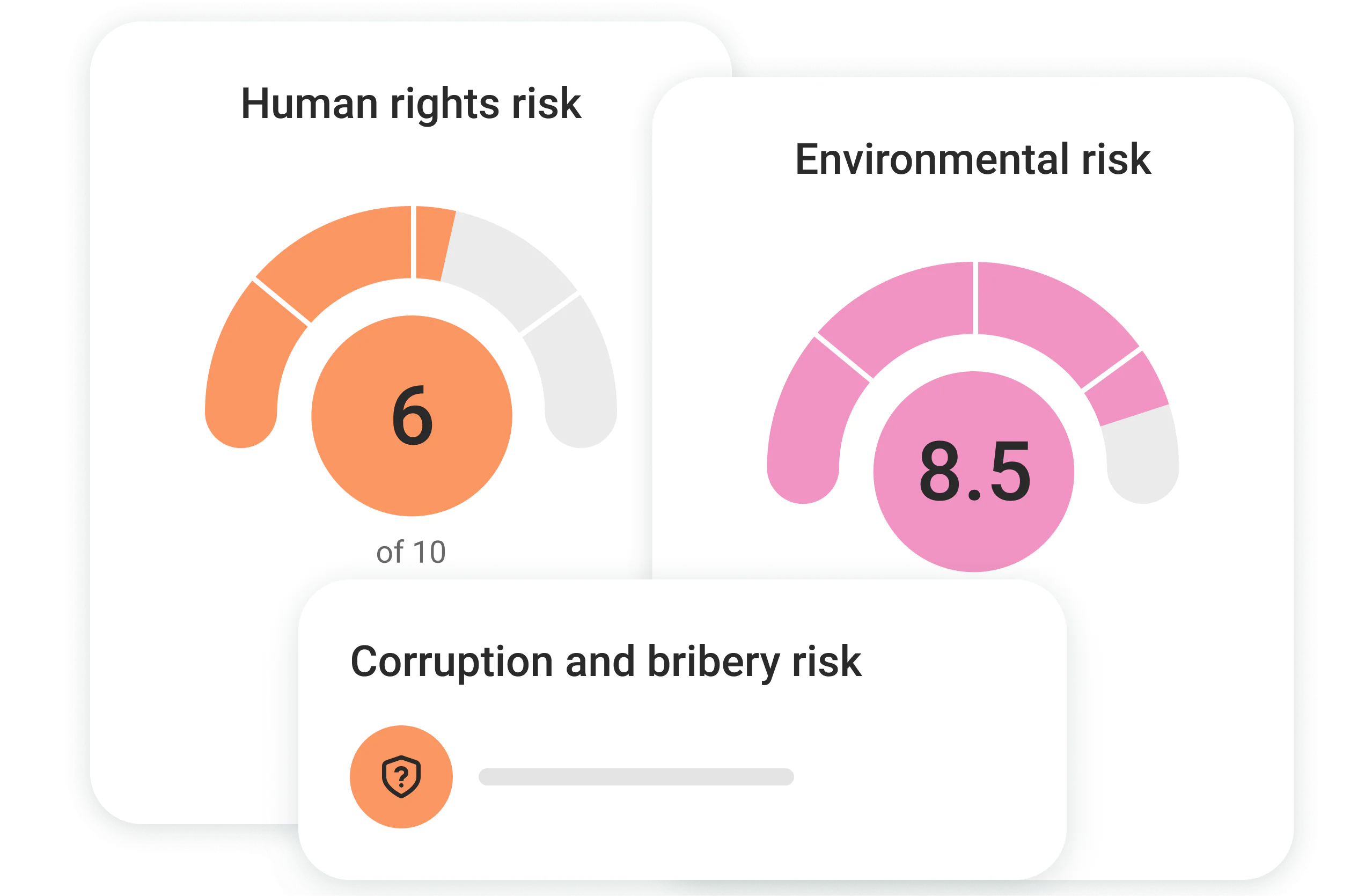
Risk mapping shows you which suppliers carry the highest exposure, so you can prioritise who to engage first. Send assessments using ready-made templates or build custom ones. Every result is scored automatically, giving you a clear basis for decisions, not a spreadsheet you have to interpret yourself.
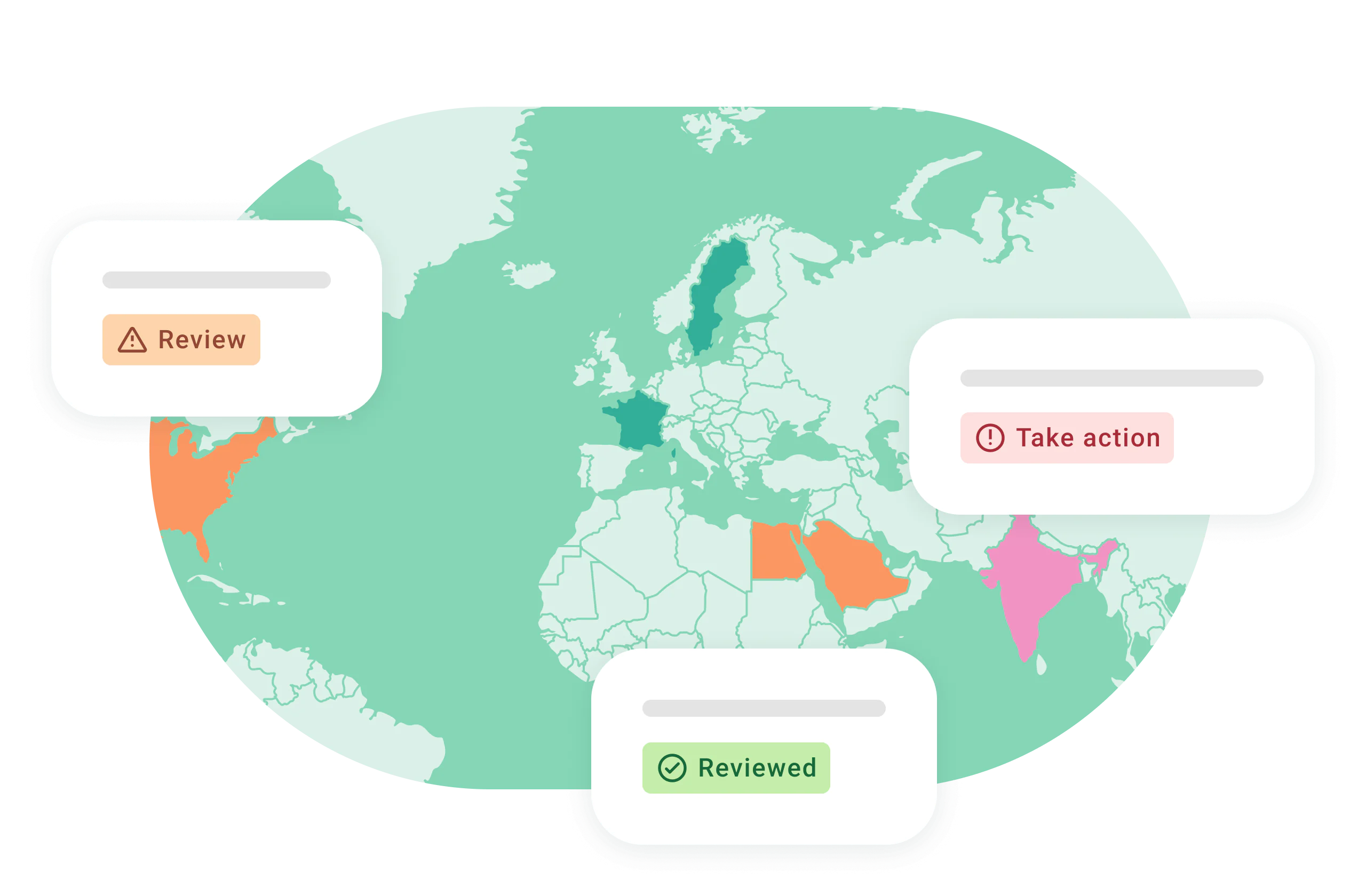
Once risks are identified, automated follow-ups identify what action is needed and initiate direct dialogue with suppliers. Position Green logs every interaction in full. When Forbrukertilsynet asks how you responded to a risk you identified, you can pull up the answer immediately.
“The collected answers provided a basis for analysis of whether good practice has been established to comply with the Norwegian Transparency Act and other provisions.”
Lars Erik Berg, Director of Compliance and HR Services, Hansa Borg & Solera

faster ESG reporting YOY
increase in data quality
transparent audit-trail
The Norwegian Transparency Act (åpenhetsloven) is a Norwegian law that requires larger companies operating in Norway to conduct human rights due diligence across their operations and supply chains, and to publish an annual account of that work. It came into force in 2022 and applies to both Norwegian and qualifying foreign companies.
You are in scope if you meet at least two of three criteria in a financial year: annual turnover exceeding NOK 70 million, balance sheet total exceeding NOK 35 million, or 50 or more full-time equivalent employees. Foreign companies are also covered if they sell goods or services in Norway and are liable to tax in Norway. Obligations apply from the financial year after you first meet the criteria.
If your company is in scope, Position Green’s advisors can help you take the next step.
Human rights due diligence under §4 of åpenhetsloven is a system for managing human rights risks within your own operations and supply chain, following the OECD six-step framework: embed responsible business conduct into your policies, identify and assess adverse impacts across your operations and supply chain, cease or prevent identified impacts, track results, communicate how impacts are addressed, and provide remediation where appropriate.
Position Green’s Supplier Management structures this entire process. Risk mapping identifies which suppliers to prioritise. Automated questionnaires collect the data. Risk scoring tells you what to act on. Position Green logs every step so you can demonstrate a proportionate, documented response.
The Norwegian Transparency Act requires due diligence across your operations and supply chain, not just your direct suppliers. Position Green’s Supplier Management supports assessments at every tier. Risk mapping visualises exposure across your full supplier base, so you can send assessments directly to tier two and tier three suppliers, gather responses, and build an aggregated risk picture that covers the depth the law requires.
Your annual redegjørelse must describe your organisation, your due diligence process, the risks you identified, and the actions you have taken or plan to take, including their effectiveness or expected effectiveness. Your board must approve it, management must sign it, and you must publish it on your website by 30 June each year.
Position Green timestamps and stores all assessments, supplier responses, corrective action plans, and follow-up interactions with a full audit trail. When the deadline arrives, the documentation is already there.
Partially. Both laws are built on the same OECD due diligence framework, so the process and documentation you build for åpenhetsloven transfers directly to CSDDD preparation. The key differences: CSDDD covers environmental harm as well as human rights, applies only to very large companies (5,000 or more employees and EUR 1.5 billion or more in turnover), and its rules do not apply until 26 July 2029.
Position Green’s platform supports both frameworks from the same supplier data, so companies already compliant with åpenhetsloven are not starting from scratch when CSDDD obligations arrive.
You must respond within three weeks. You must disclose any actual adverse impacts on fundamental human rights your company is aware of, regardless of commercial confidentiality considerations.
Position Green logs every supplier interaction, assessment result, and corrective action in a searchable, timestamped record. When a request arrives, you can pull an accurate, complete response without scrambling for documentation scattered across spreadsheets and email threads.