


“We saved so much time and energy by bringing all our data together in the Position Green platform.”
Jessica Julin, Sustainability Manager at Espresso House Group
Simplified ESRS
Out-of-scope doesn’t mean out of sight. Voluntarily report on the simplified ESRS to meet stakeholder demands, maintain data continuity, and prevent future compliance bottlenecks.
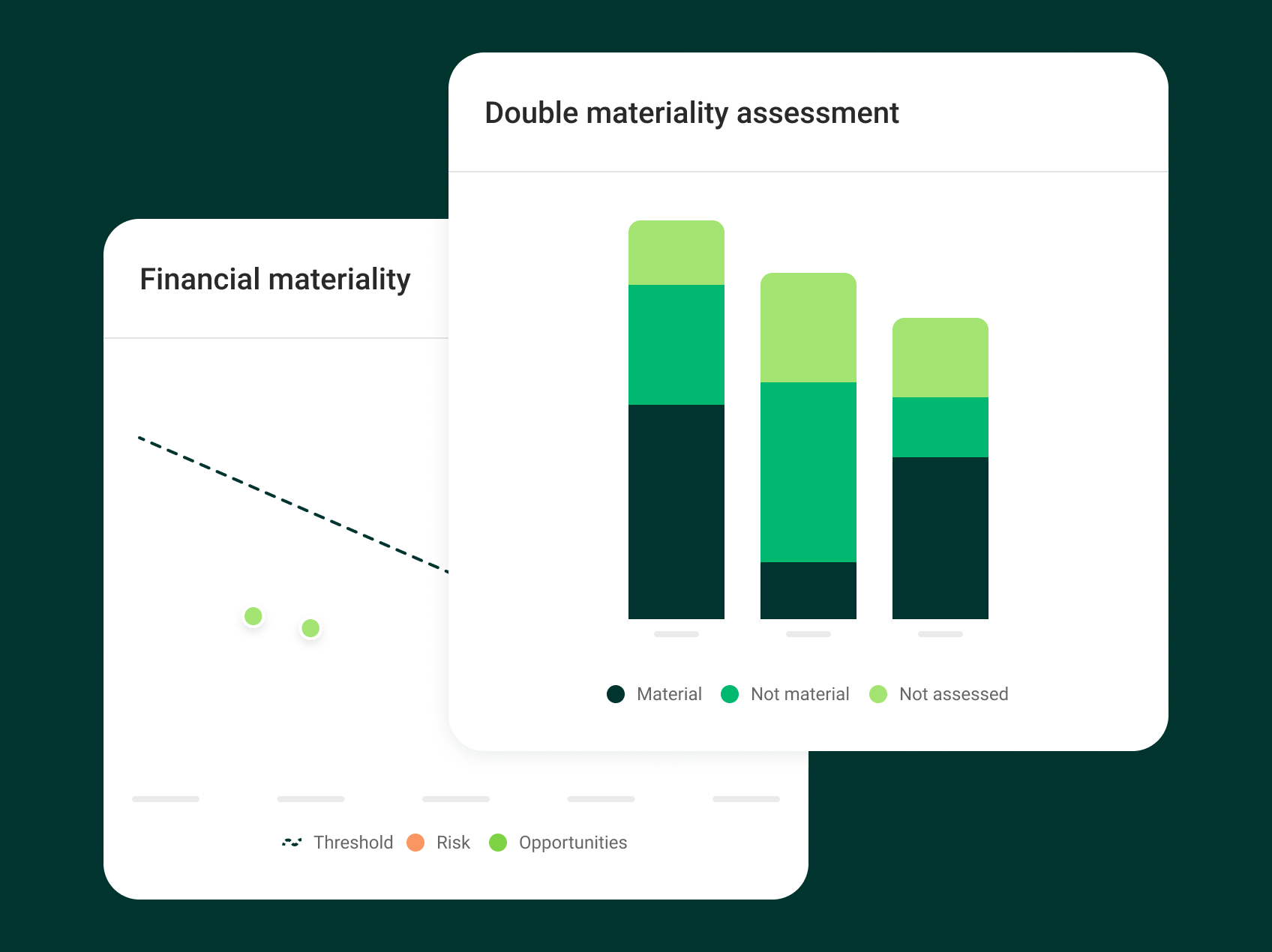



















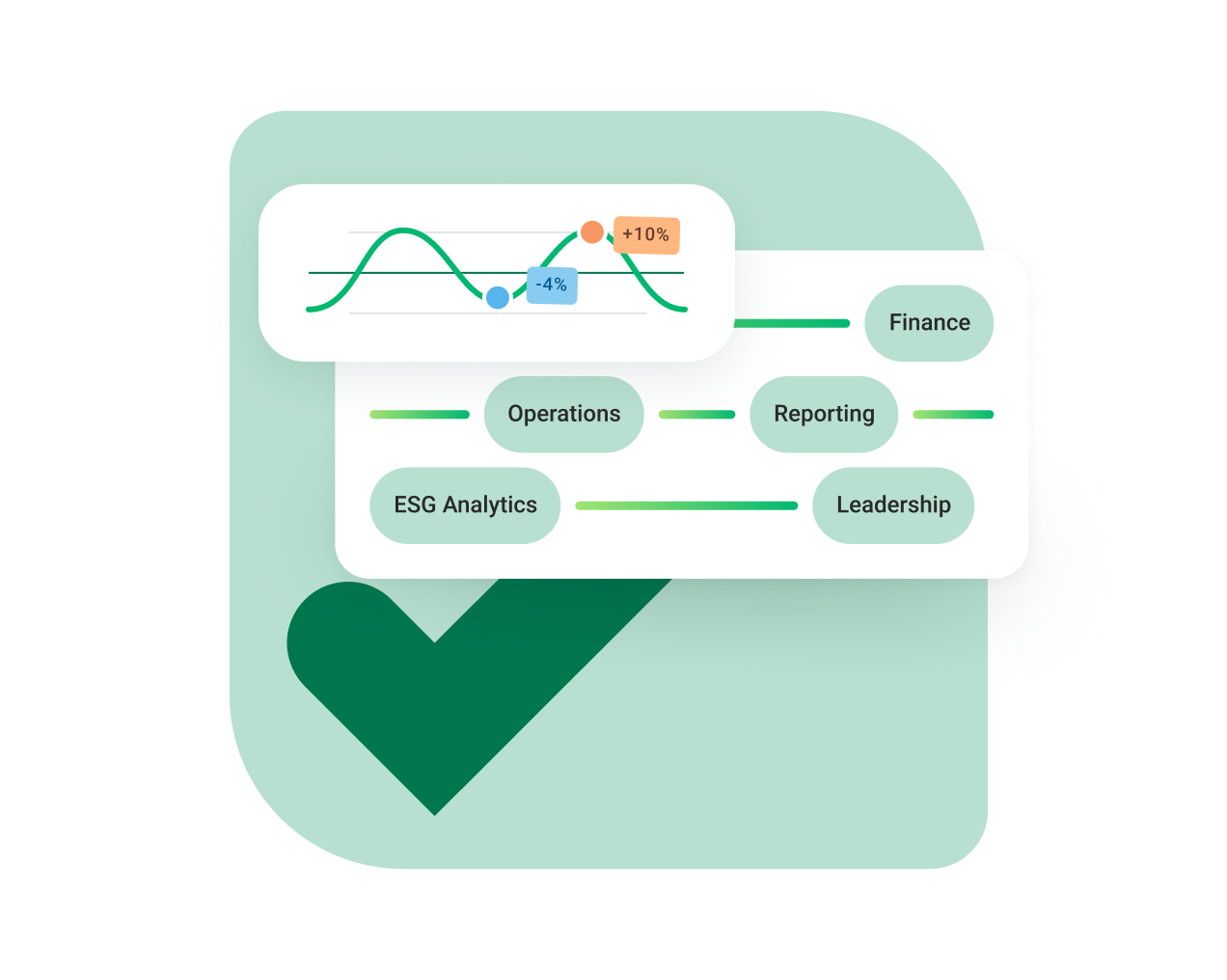
Investors and large customers are still required to report on their entire value chain, and they expect high-quality data from their partners. By voluntarily adopting the simplified ESRS, you meet these external demands head-on, ensuring your business remains a preferred, transparent, and low-risk partner in a tightening regulatory market.
By leveraging the data you already collect, the simplified ESRS allows you to maintain a professional disclosure profile at a significantly lower cost. This approach streamlines your efforts, focusing only on the most material points and ensuring that your previous investments in data collection continue to deliver strategic value.
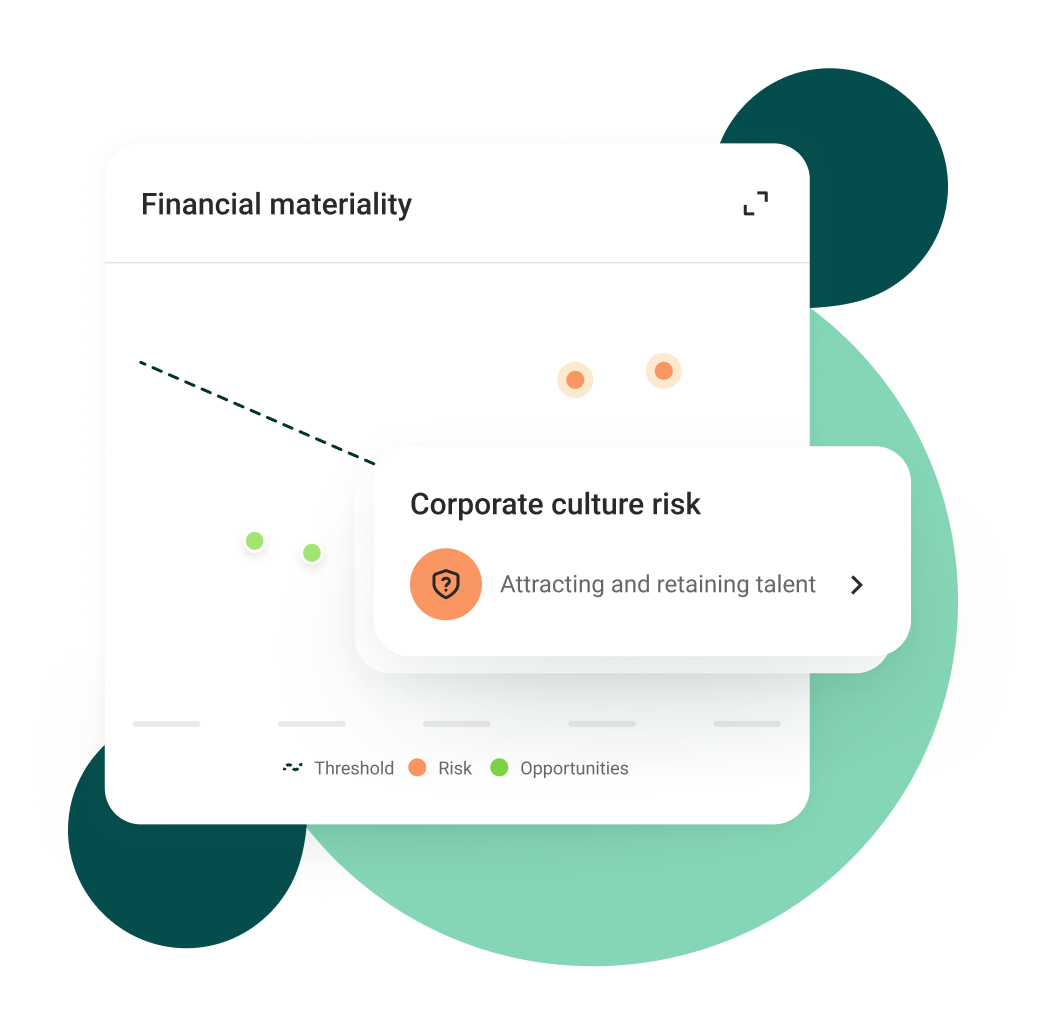
Spreading the effort over time allows you to maintain continuity in ownership and data controls, even without a current mandate. You’ll establish a reliable reporting engine at your own pace, ensuring you are never caught off guard if thresholds shift or market requirements evolve.
“We saved so much time and energy by bringing all our data together in the Position Green platform.”
Jessica Julin, Sustainability Manager at Espresso House Group
Faster disclosure cycles
Audit trail transparency
Spreadsheet dependencies
Peace of mind before deadlines
Establish processes early
Strengthen your data quality
Spread cost and effort over 2 years
Voluntary reporting on the simplified ESRS (European Sustainability Reporting Standards) ensures your business remains “visible” to investors, banks, and large customers who still face mandatory CSRD requirements. Even if you are no longer legally obligated to report, providing structured ESG data through a recognized framework helps you maintain a competitive edge, satisfy supply chain transparency demands, and avoid being sidelined during procurement.
The 2026 Omnibus I simplification package introduced a “value-chain cap” to protect smaller partners from excessive data requests. By voluntarily reporting using the simplified framework, you set a clear boundary for what data you provide. This allows you to meet the information needs of your largest customers without being overwhelmed by ad-hoc, unstandardized questionnaires, effectively lowering your administrative burden.
Yes. One of the primary benefits of voluntary reporting is data continuity. If your company was previously in-scope or preparing for CSRD, you can leverage your existing data and internal controls rather than letting those investments go to waste. The simplified ESRS focuses on the most material metrics, allowing you to build on your established foundation at a significantly lower cost than starting a new framework from scratch.
Absolutely. Regulatory thresholds for the CSRD are subject to review, and market expectations are constantly evolving. By adopting the simplified ESRS now, you establish the necessary ownership, processes, and “muscle memory” for sustainability reporting. This proactive approach prevents a “cold start” in the future, ensuring your team is ready if your company re-enters the mandatory scope or if new transparency laws are enacted in FY2027.
While the CSRD requires limited assurance (audits) for in-scope companies, voluntary reporters typically have more flexibility. You can choose to forgo a formal audit to save on assurance costs while still benefiting from a structured, credible report. However, many companies choose to have their data verified to increase its reliability for banks and investors, often finding that the simplified framework makes the assurance process much faster and more affordable.