


“We saved so much time and energy by bringing all our data together in the Position Green platform.”
Jessica Julin, Sustainability Manager at Espresso House Group
Simplified ESRS
It’s not too early to get started. Spread your reporting effort over two years, establish ownership, reduce compliance risk, and lower assurance costs.
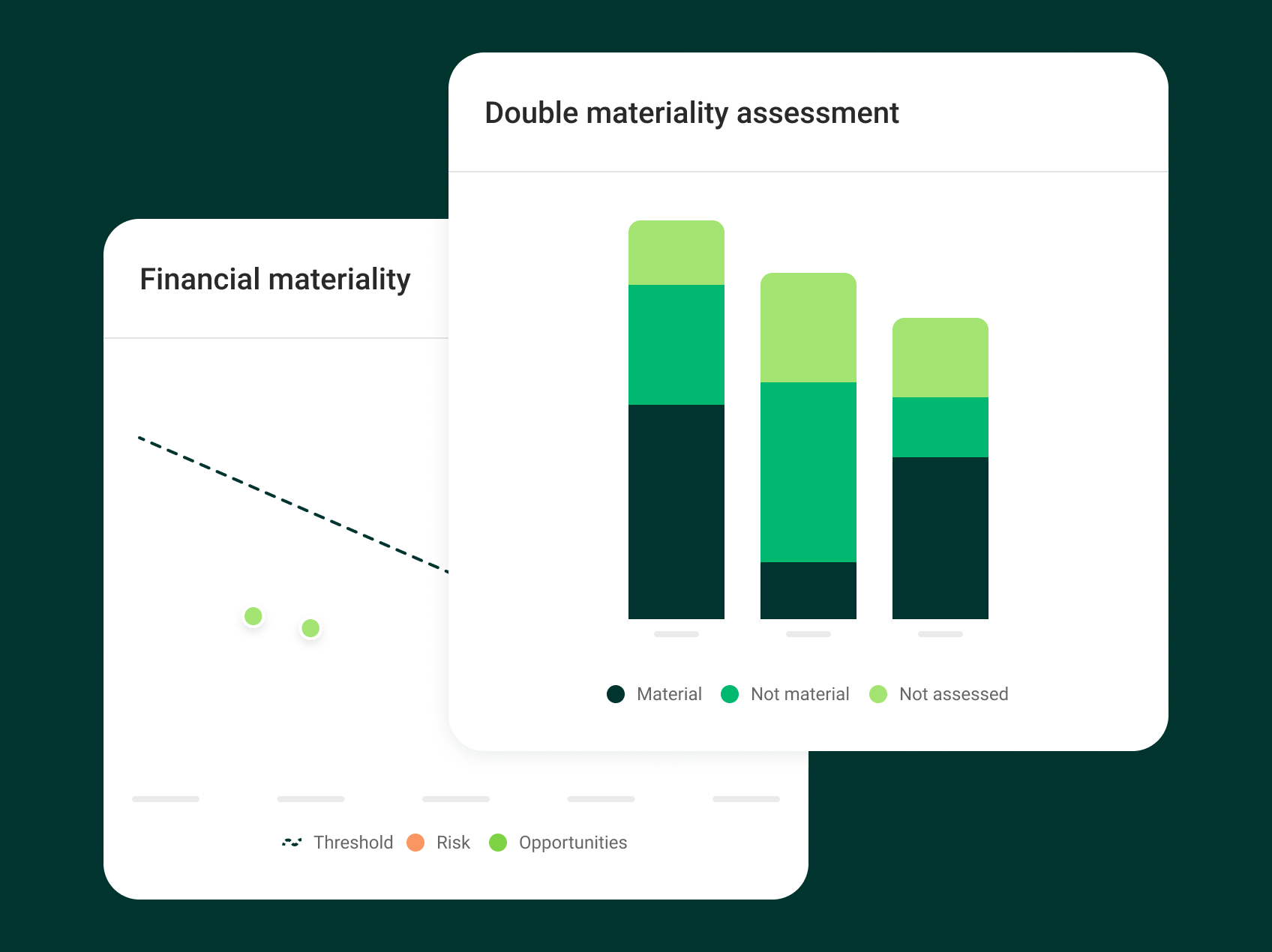



















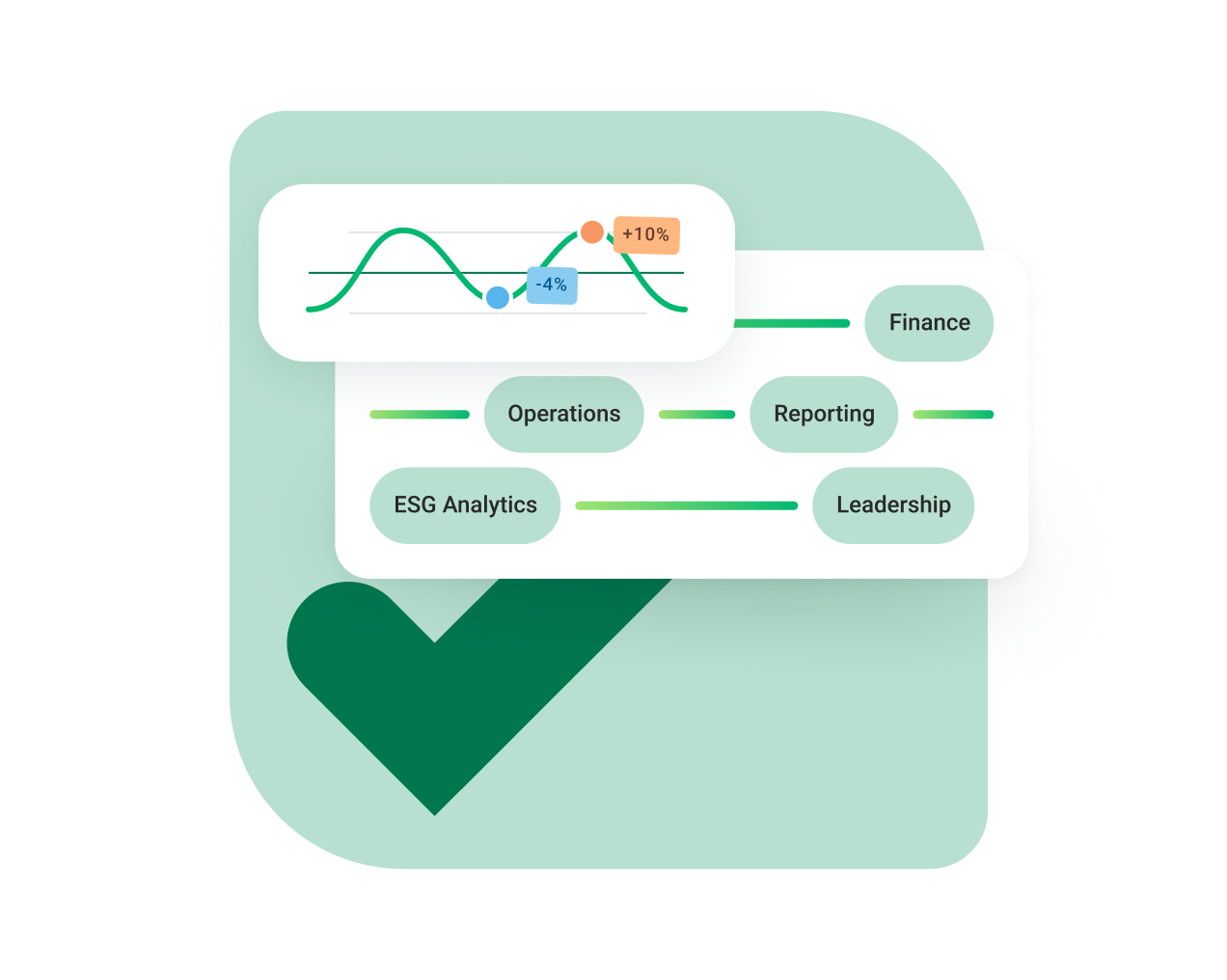
Reporting on the simplified ESRS doesn’t have to be a sprint. By spreading your implementation over two years, you can establish robust internal controls and clear ownership without the “cold start” stress. This phased approach gives your team the time to build a sustainable reporting engine that is both accurate and audit-ready.
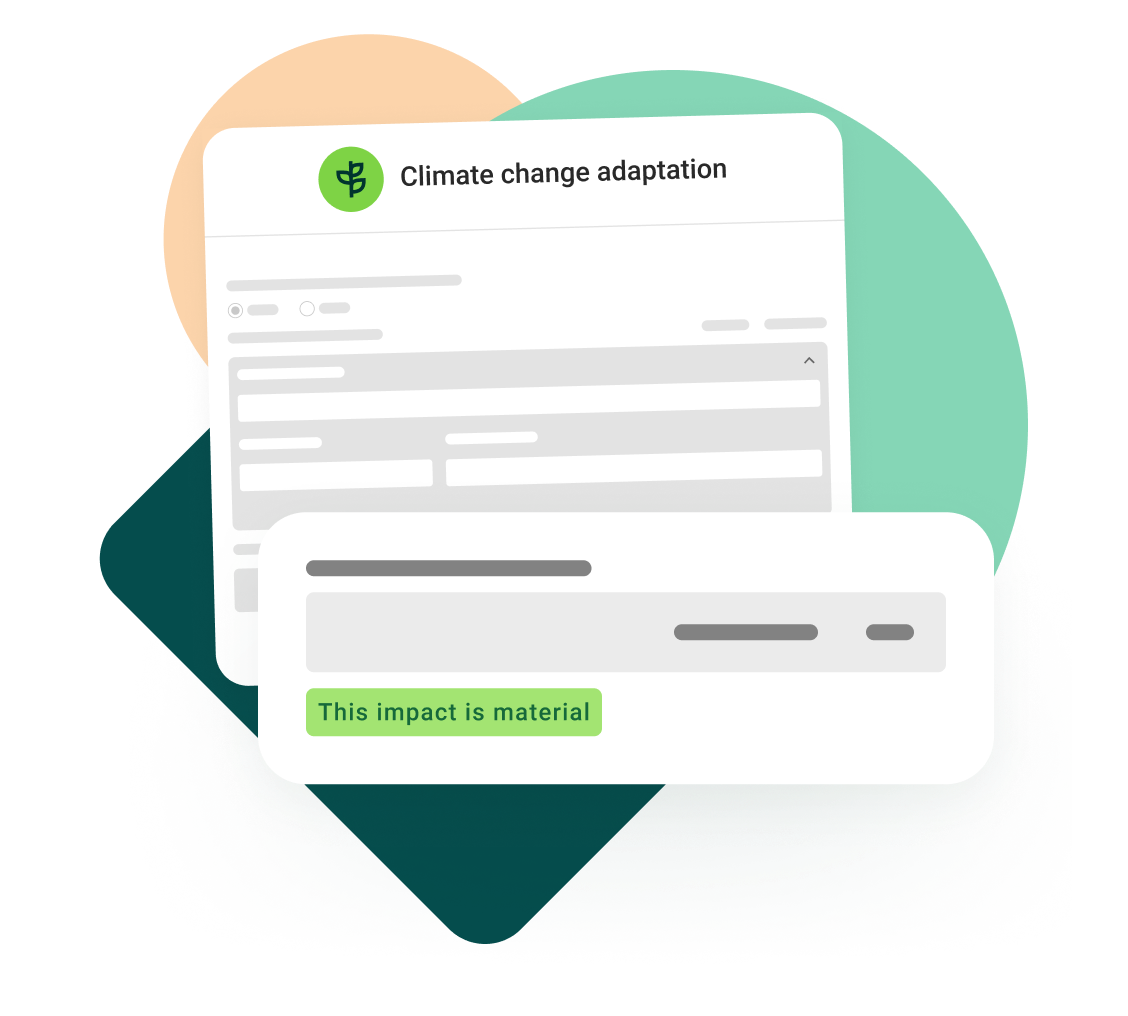
The simplified ESRS isn’t just about less data–it’s about better data. Use this transition period to pinpoint your reporting gaps and reinforce internal controls before they become compliance failures. By establishing a high standard for data quality now, you ensure your disclosures are audit-ready and resilient for the long term.
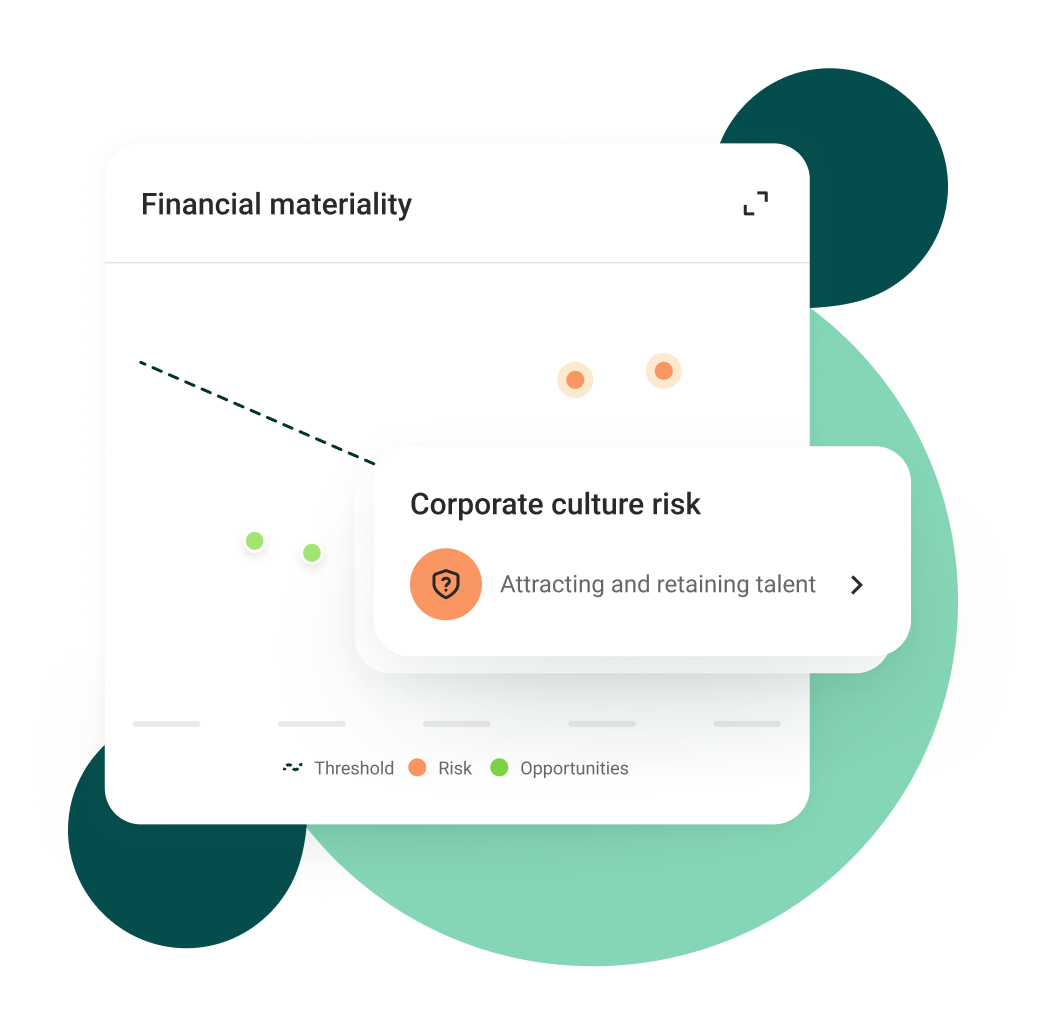
You can practice drafting your ESRS report in a secure, private environment, no external audits, no public filings, and zero pressure. It’s a safe mock-up designed to help your team build confidence, test your data flows, and master the simplified standards before the clock starts ticking.
“We saved so much time and energy by bringing all our data together in the Position Green platform.”
Jessica Julin, Sustainability Manager at Espresso House Group
Faster ESRS reporting YoY
reduction in manual admin
Spreadsheet dependencies
Transparent audit trail
Establish processes early
Strengthen your data quality
Spread cost and effort over 2 years
Yes. While the simplified ESRS is set to become mandatory for the 2027 financial year (reporting in 2028), the European Commission has included an early adoption option. This allows Wave 2 companies to voluntarily apply the streamlined standards for their 2026 reports. Early adoption provides a strategic “dry run,” allowing your team to master the 61% reduction in data points before the legal deadline.
Early adoption allows Wave 2 companies to cut costs and establish internal processes at a manageable pace. By reporting in 2026, you avoid the “cold start” and the inevitable resource bottlenecks expected in 2027 as thousands of companies rush to comply. Furthermore, early reporting signals transparency and reliability to investors and value chain partners who are already requesting standardized ESG data.
Absolutely. The simplified ESRS introduces a top-down, business-model-driven DMA that is significantly less burdensome than the original framework. By early adopting, you can utilize this streamlined assessment process now, focusing your resources only on the most material impacts, risks, and opportunities. This ensures your reporting is “decision-useful” from day one without excessive administrative overhead.
Early adopters benefit immediately from the “value chain cap” and the removal of the preference for direct data. Under the simplified 2026 rules, you can use estimates and sector-average proxies for your suppliers, especially those with fewer than 1,000 employees. This eliminates the need for exhaustive, manual data requests, making your Scope 3 reporting significantly faster and more affordable.
Yes. By adopting the simplified framework early, you refine your data controls and documentation in a lower-stakes environment. High-quality, structured data is much easier (and cheaper) to audit. Establishing these “audit-ready” workflows during an early adoption phase ensures that when mandatory assurance kicks in, your processes are already optimized, leading to more predictable and lower assurance fees.